This week’s photo challenge is to bring out some shots that share an unusual point of view. Take a gander at some of the other posts offered http://dailypost.wordpress.com/2013/09/06/unusual/
Here are mine:

Wings Over Iceland
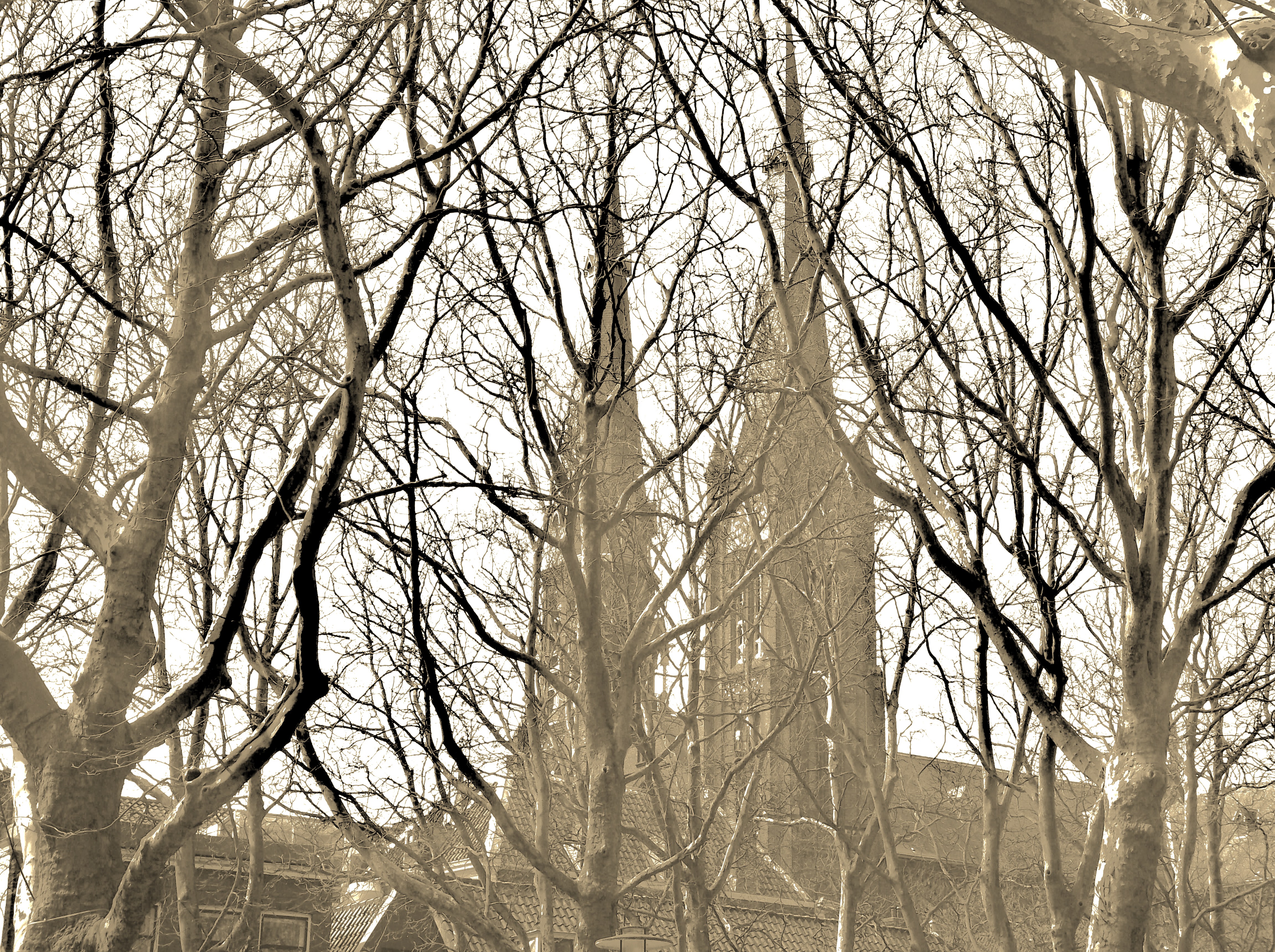
St. Peter’s, Delft
This week’s photo challenge is to bring out some shots that share an unusual point of view. Take a gander at some of the other posts offered http://dailypost.wordpress.com/2013/09/06/unusual/
Here are mine:
Wings Over Iceland
St. Peter’s, Delft

This week’s travel theme given by Ailsa from “Where’s My Backpack?” is the word “HIDDEN”. Why don’t you sneak on over to her blog and find some other “hidden” posts! http://wheresmybackpack.com/2013/09/06/travel-theme-hidden/
Here are my thoughts on the matter

Corrie Ten Boom Museum, Haarlem The Netherlands

Corrie Ten Boom was taken prisoner by the Nazi’s for hiding Jews in her home.

The Hiding Place (cut out in the back wall)
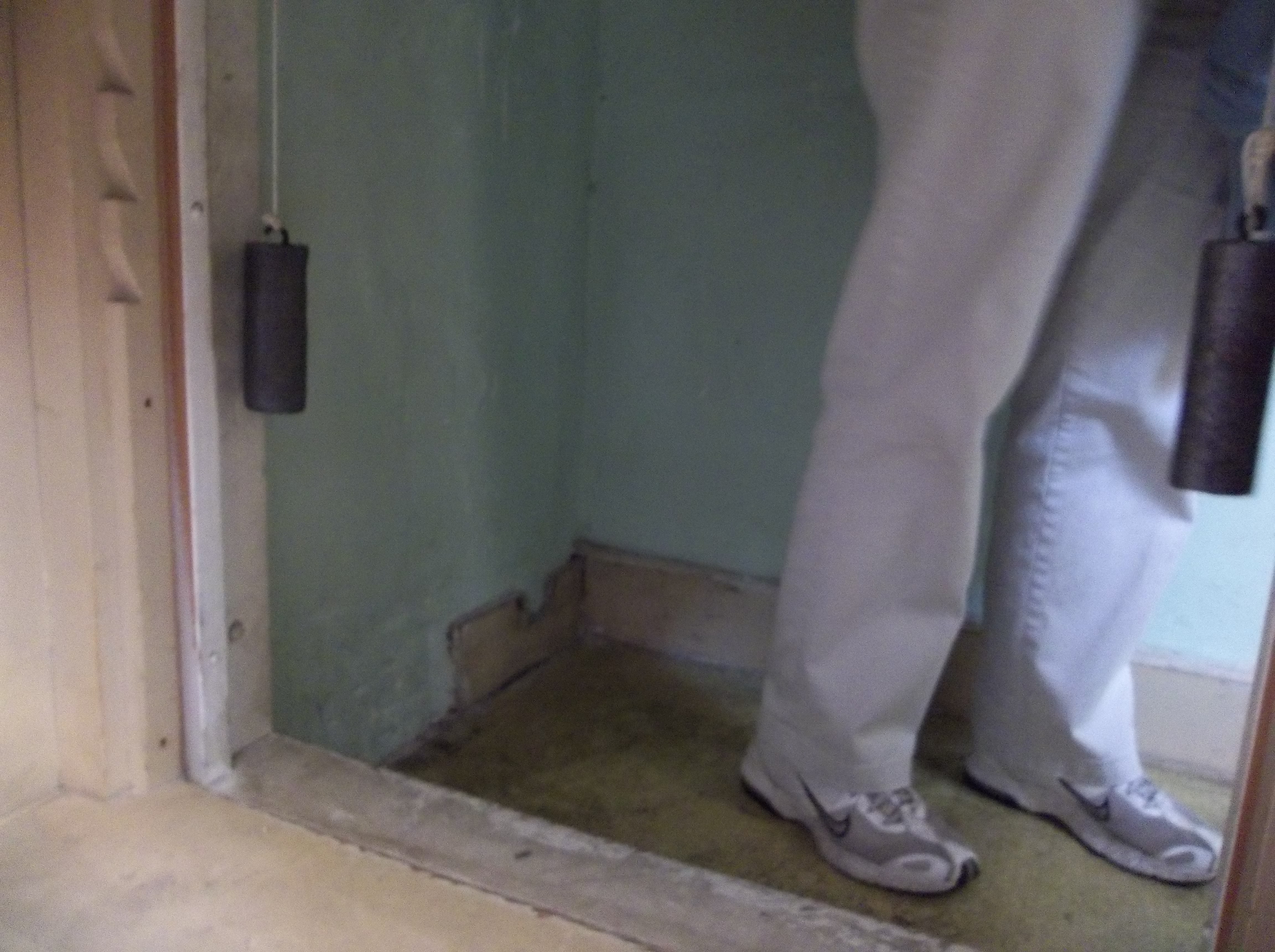
The entrance to the Hiding Place (not even waist high) 6 people had to get in in 90 seconds
Corrie ten Boom grew up in Haarlem in Amsterdam and was the youngest of four children, born to parents Casper (1859–1944) and Cornelia (died 1921 of a cerebral haemorrhage). She had two other sisters, Betsie ten Boom (died 1944 in the Ravensbrück death camp) and Nollie (died in 1953). Her brother, Willem ten Boom, was born in 1887 and died in 1946 of spinal tuberculosis. Corrie’s three maternal aunts also lived with her family. Bep died in the early 1920s, of tuberculosis; Jans died in the mid-1920s, of diabetes; and Anna, who took care of the children after the death of their mother, was the last to die, in the early 1930s.
Corrie’s father worked as a watchmaker; a profession that she followed in becoming the first licensed female watchmaker in the Netherlands in 1924. Corrie and her sister Betsie never married and had lived their entire lives (until their arrest) in their childhood home in Haarlem. Corrie ten Boom also ran a church for people with mental disabilities, raised foster children in their home, and did other charitable works.
In 1940, the Nazis invaded the Netherlands. Among their restrictions was banning a club which ten Boom had run for young girls.In May 1942 a well-dressed woman came to the ten Boom door with a suitcase in hand. She told the ten Booms that she was a Jew and that her husband had been arrested several months before and her son had gone into hiding. As Occupation authorities had recently visited her, she was afraid to return home. Having heard that the ten Booms had helped their Jewish neighbors, the Weils, she asked if she might stay with the family. ten Boom’s father readily agreed. A devoted reader of the Old Testament, Casper believed Jews were the ‘chosen people‘, and he told the woman, “In this household, God’s people are always welcome.”The family then became very active in the Dutch underground hiding refugees They provided kosher food for the Jewish refugees who stayed with them and honored the Jewish Sabbath.
Thus the ten Booms began “the hiding place”, or “de schuilplaats”, as it was known in Dutch (also known as “de Béjé”, pronounced in Dutch as ‘bayay’, an abbreviation of the name of the street the house was in, the Barteljorisstraat). Corrie ten Boom and sister Betsie began taking in refugees — both Jews and others who were members of the resistance movement, being sought by the Gestapo and its Dutch counterpart. While they had extra rooms in the house, food was scarce for everyone, due to wartime shortages. Every non-Jewish Dutch person had received a ration card, which was required to obtain weekly coupons to buy food.
Thanks to her charitable work, ten Boom knew many people in Haarlem and remembered a couple who had a disabled daughter. The father was a civil servant, who by then was in charge of the local ration-card office. She went to his house one evening; when he asked how many ration cards she needed, “I opened my mouth to say, ‘Five,'” ten Boom wrote in The Hiding Place. “But the number that unexpectedly and astonishingly came out instead was: ‘One hundred.'”He gave them to her, and she provided cards to every Jewish person whom she met.
Because of the number of people using their house, the family built a secret room, in case a raid took place. They decided to build it in ten Boom’s bedroom; as it was in the highest part of the house, people trying to hide would have the most time to avoid detection (as a search would start on the ground floor). A member of the Dutch resistance designed the hidden room behind a false wall. Gradually, family and supporters brought building supplies into the house, hiding them in briefcases and rolled-up newspapers. When finished, the secret room was about 30 inches (76 cm) deep, the size of a medium wardrobe. A ventilation system allowed for breathing. To enter the secret room, a person had to open a sliding panel in the plastered brick wall under a bottom bookshelf and crawl in on hands and knees. In addition, the family installed an electric buzzer for warning in a raid. When the Nazis raided the ten Boom house in 1944, six people were using the hiding place to evade detection.
On February 28, 1944, a Dutch informant told the Nazis of the work the ten Booms were doing, and the Nazis arrested the entire ten Boom family at around 12:30 p.m. The family was sent first to Scheveningen prison, where their elderly father died ten days after his arrest. While there, ten Boom’s sister Nollie, brother Willem, and nephew Peter were all released. Later, ten Boom and sister Betsie were sent to the Vught political concentration camp, and finally to the Ravensbrück death camp in Germany. Betsie died there on December 16, 1944. Before she died, she told ten Boom, “There is no pit so deep that He [God] is not deeper still.”[1][page needed]
Corrie ten Boom was released on December 28, 1944. In the movie The Hiding Place, she narrates the section on her release from camp, saying that she later learned that her release had been a clerical error. She said, “God does not have problems — only plans.” The Jews whom the ten Booms had been hiding at the time of their arrests remained undiscovered and all but one, an old woman named Mary, survived.– Information courtesy of Wiki pedia

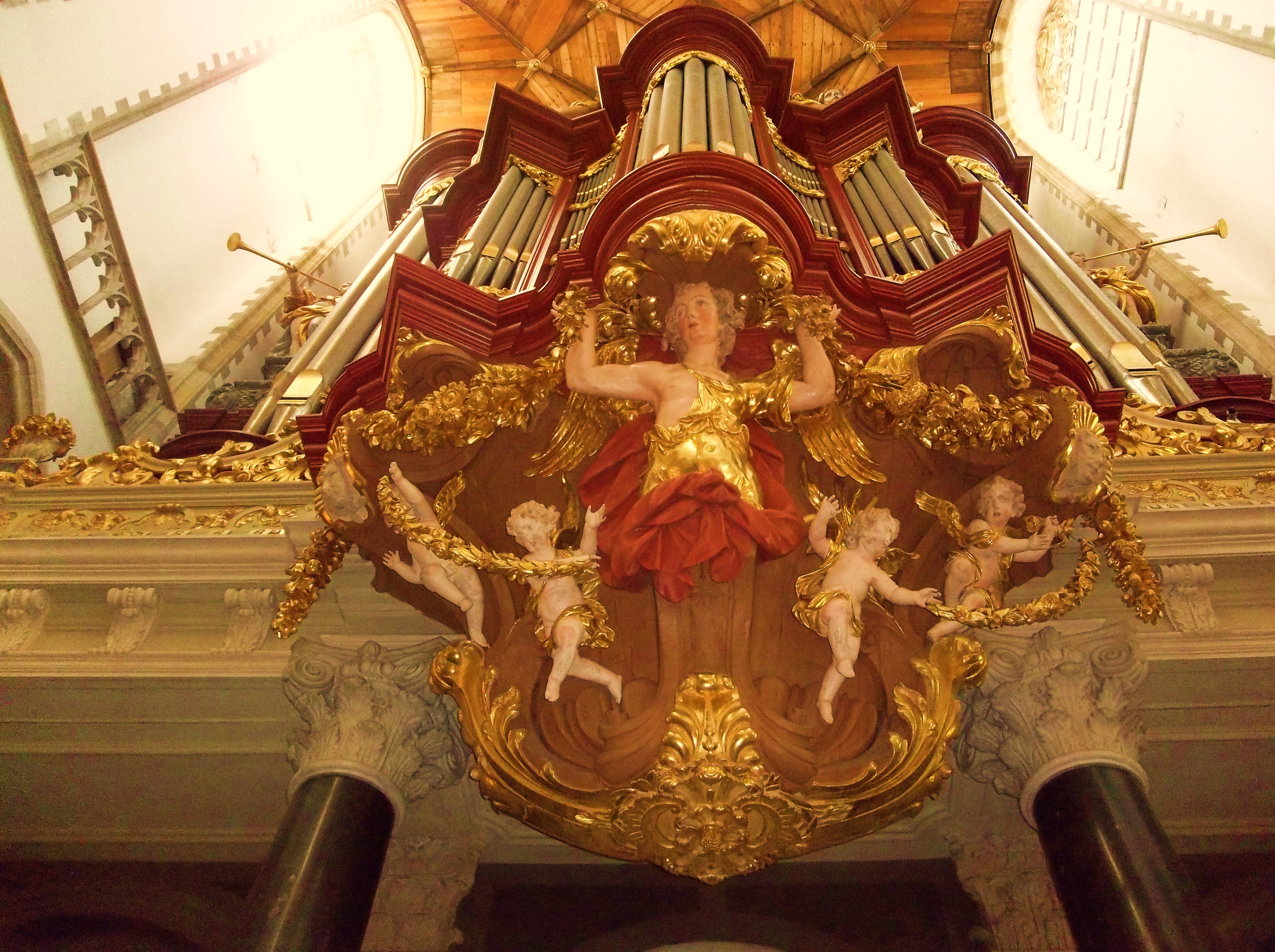
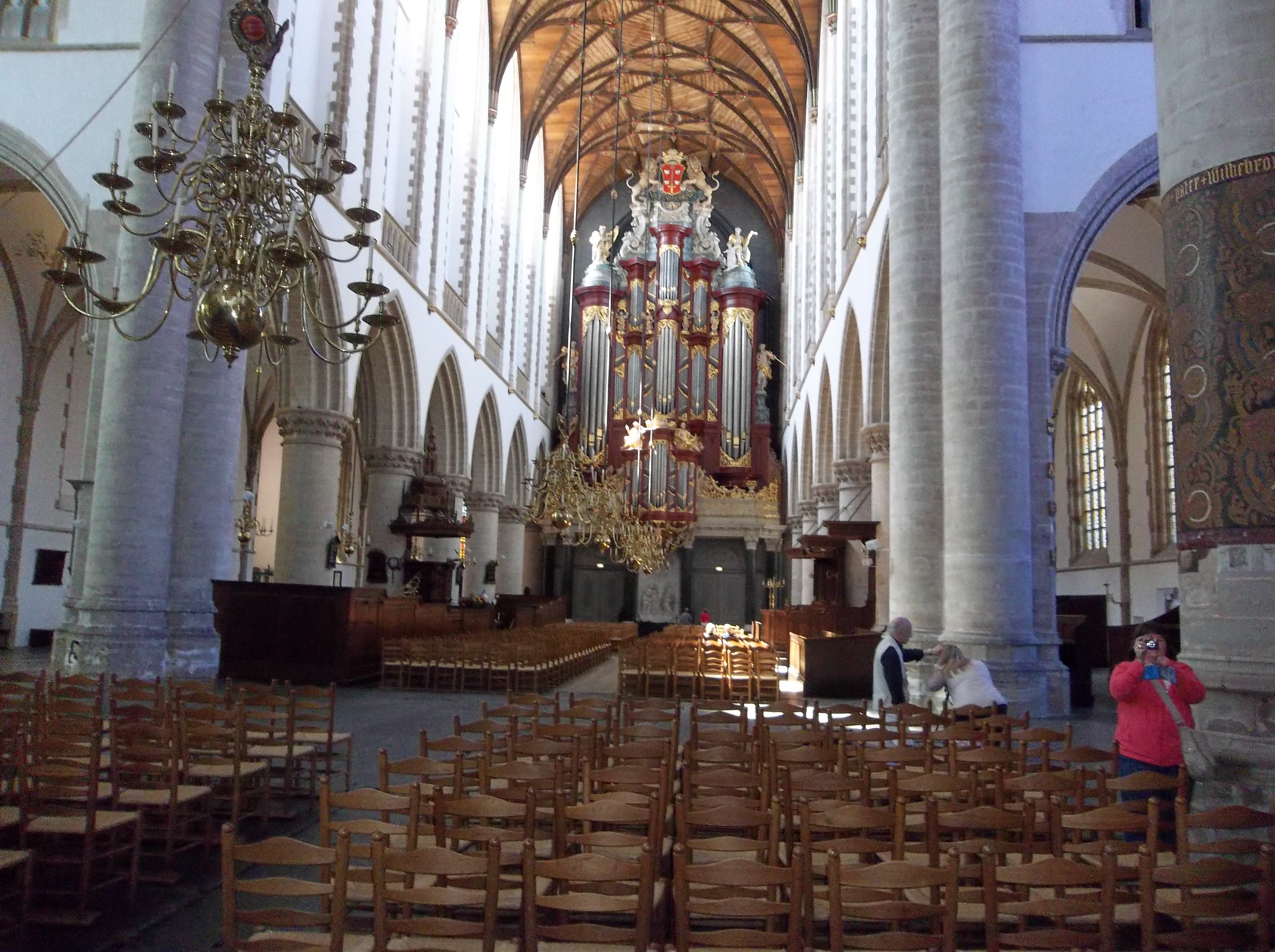
This week’s word for the week from ” A Word In Your Ear” is the word ORNATE.
Each week this fine lady plops open her dictionary and picks a word from the pages which land open. If you would like to discover more “ornate” posts go to http://suellewellyn2011.wordpress.com/2013/09/02/a-word-a-week-challenge-ornate-week-44/
Here are my pictorial thoughts on the word “ORNATE”.
All of these photos were taken on my first trip to Holland. They are inside St. Bavo’s Church in Haarlem.



Well last week I was at a distance from my computer and could not take part in the weekly travel theme. This week I have once again drawn close to the comforting click of the keyboard and so I can participate in this week’s theme from Ailsa which is: DISTANCE. If you would like to read more posts from a distance go to http://wheresmybackpack.com/2013/08/30/travel-theme-distance/
Here is my photographic take on the matter:
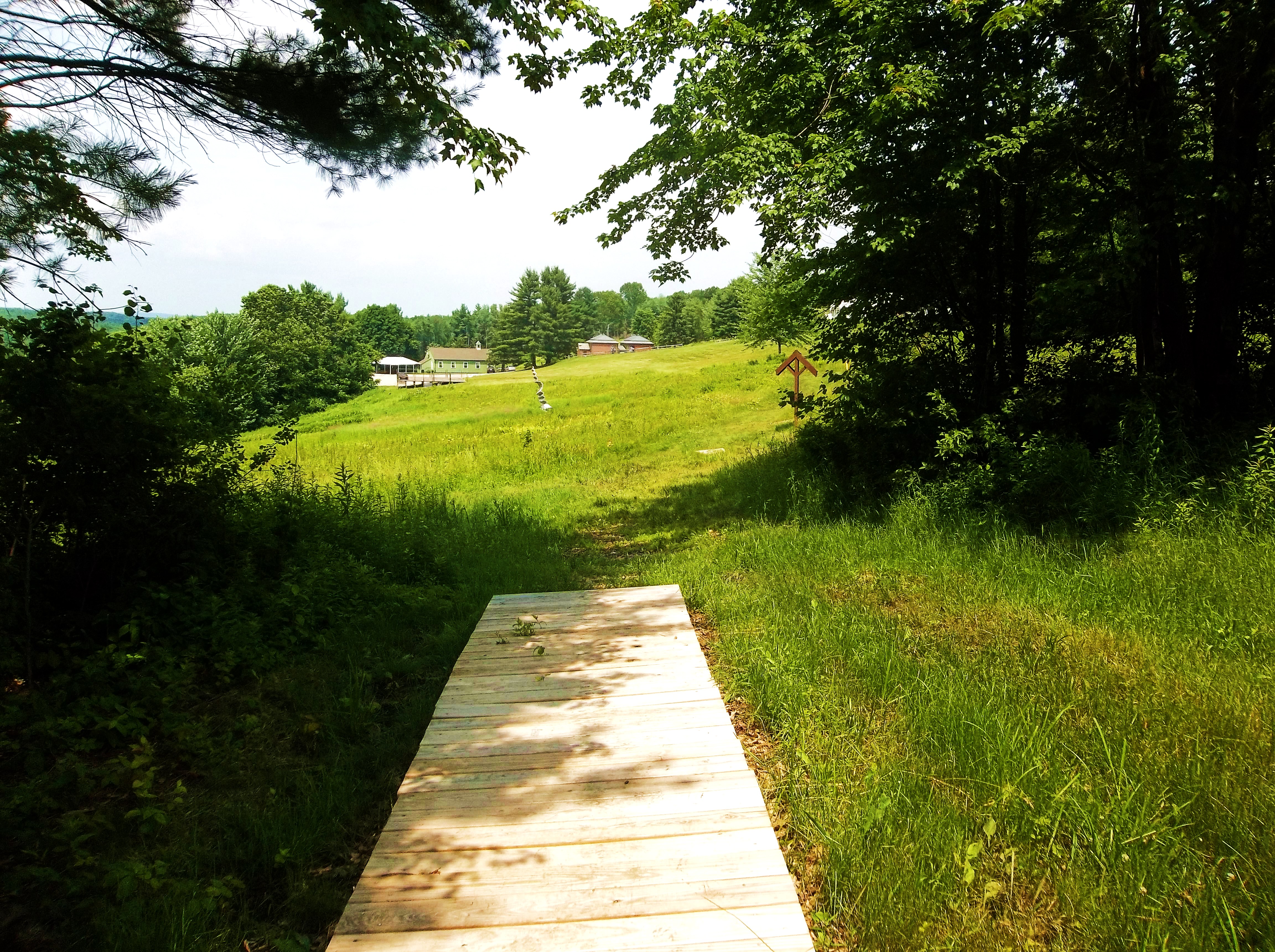
We should not judge people by their peak of excellence; but by the distance they have traveled from the point where they started.
Henry Ward Beecher
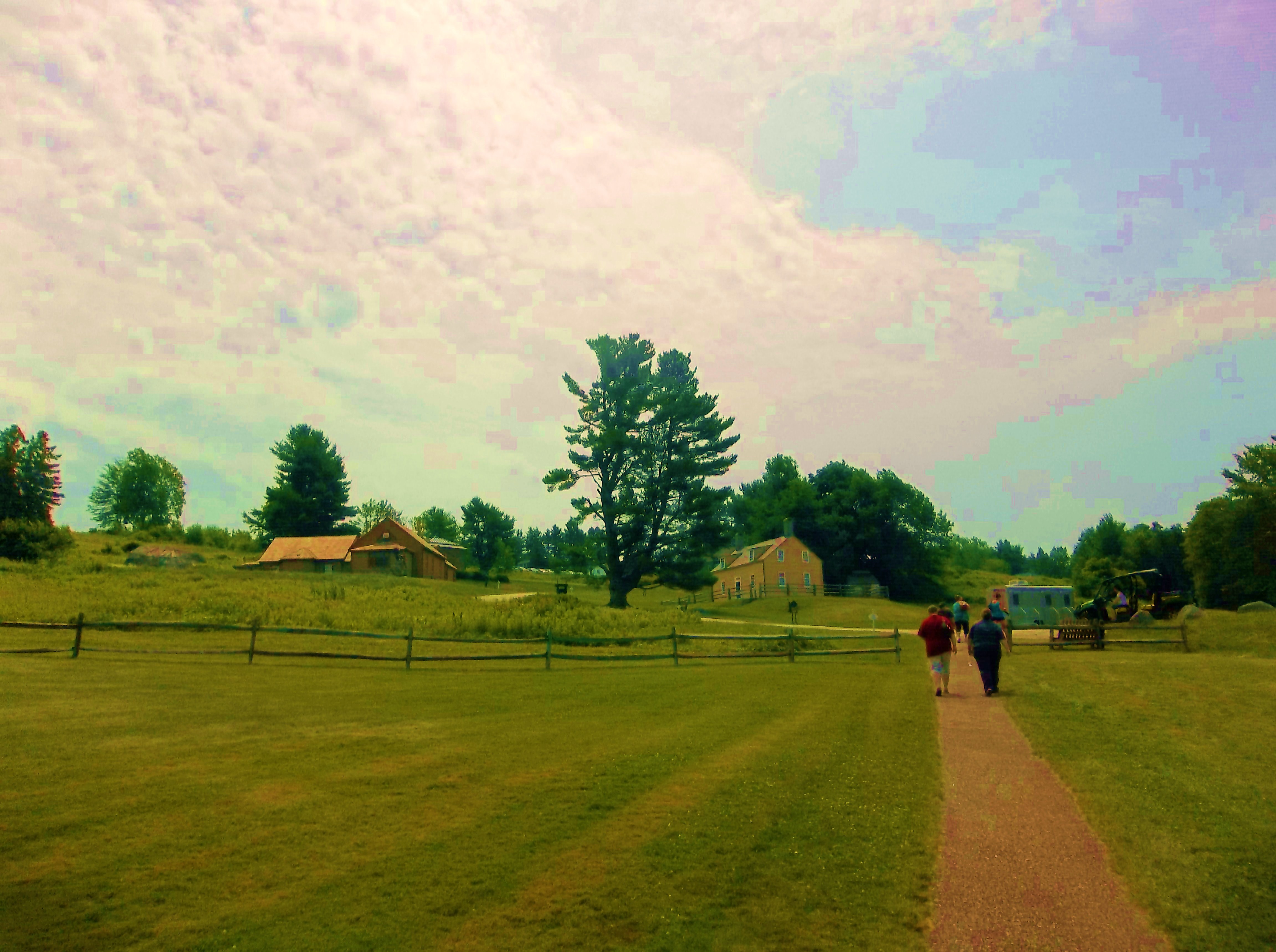
Life is like a landscape. You live in the midst of it but can describe it only from the vantage point of distance.
Charles Lindbergh
I took these photos while visiting the Fruitlands Museum in Ayer MA with our artist’s group.
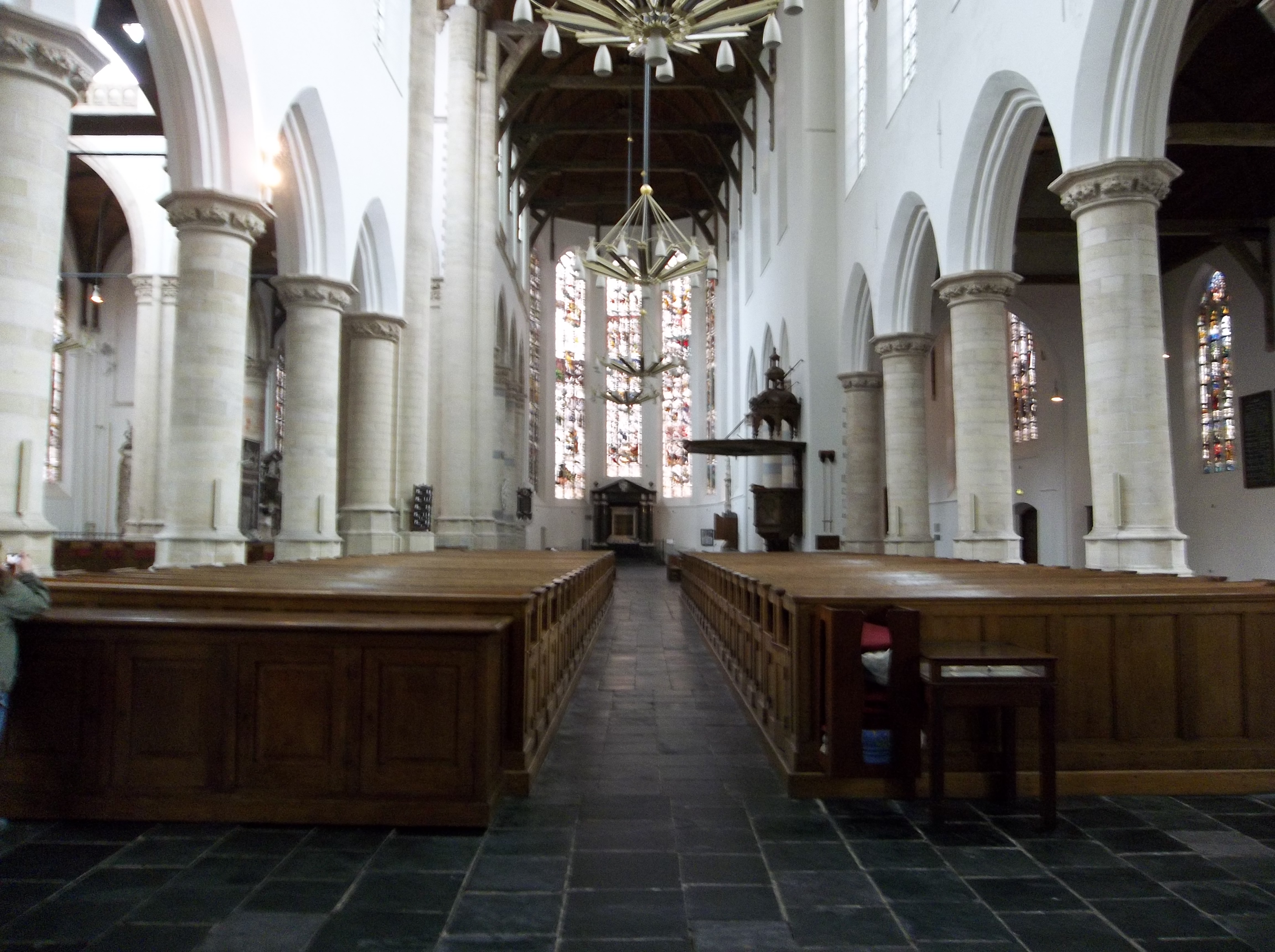
We talk about heaven being so far away. It is within speaking distance to those who belong there. Heaven is a prepared place for a prepared people.
Dwight L. Moody
This photograph was taken in the Oude Kerk in Delft, The Netherlands.


L to R: Amanda Lillie, Sara Glidden, Charlotte Dorais, Lisa Johnson, Tamie Charbonneau. Yours truly of course is behind the camera.
C.cada’s monthly gathering for June was at the Fruitlands museum in Ayer, MA. We had a smaller group this month but our artists brought cameras and got lots of good shots for future paintings and sketches.
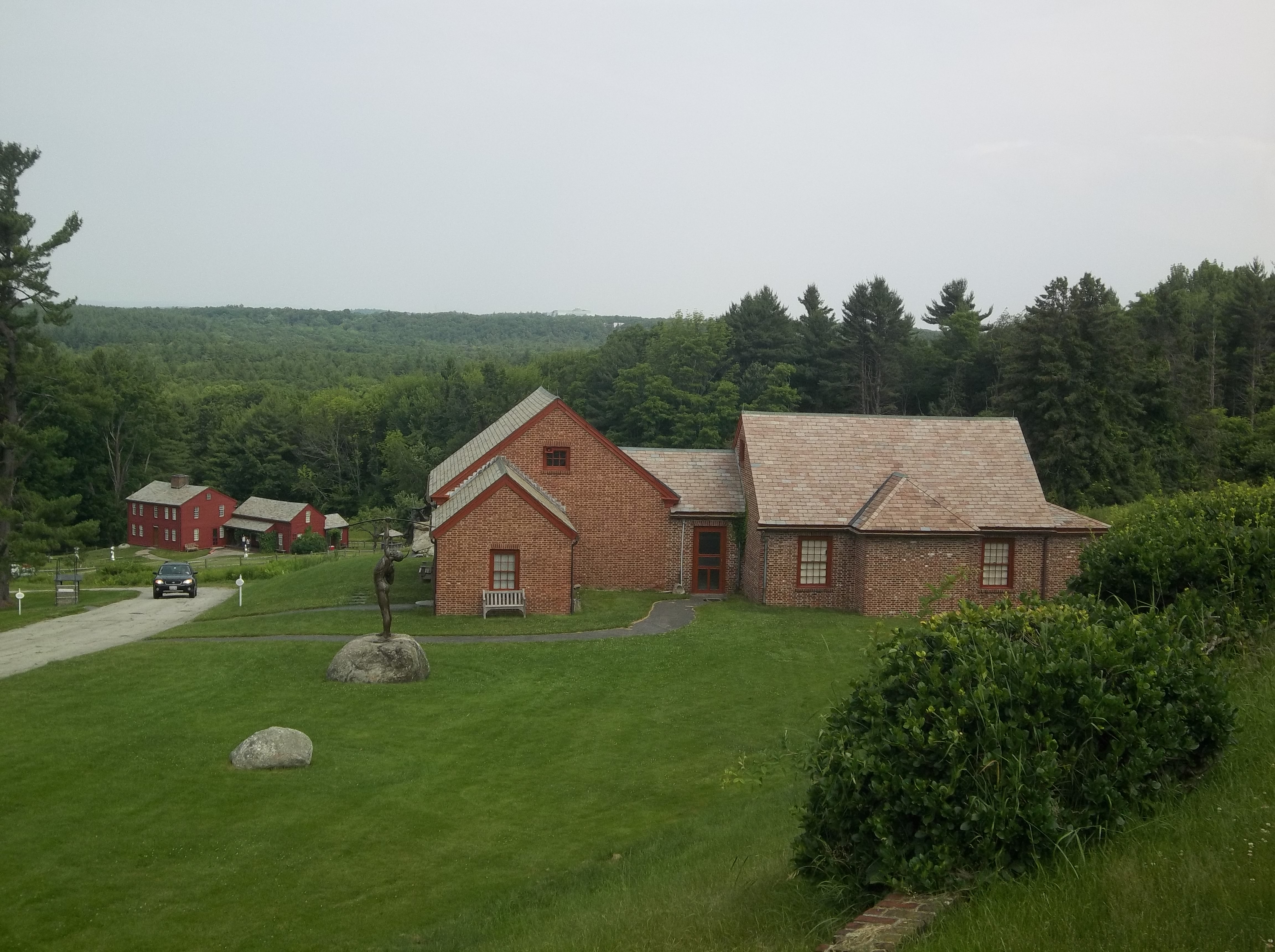
Portrait Gallery: Fruitland Museum Ayer MA
Fruitlands is a national historical site. The property, originally held in trust by Ralph Waldo Emerson, was a “back to nature commune” run by transcendentalists in the early to mid 1800’s. Bronson Alcott (father of Louisa May) was one of the founding members. The property was bought in the early 1900’s by one of the Sears family and turned into an historical art museum consisting of three display buildings and the Alcott/ Palmer house at the bottom of the hill.
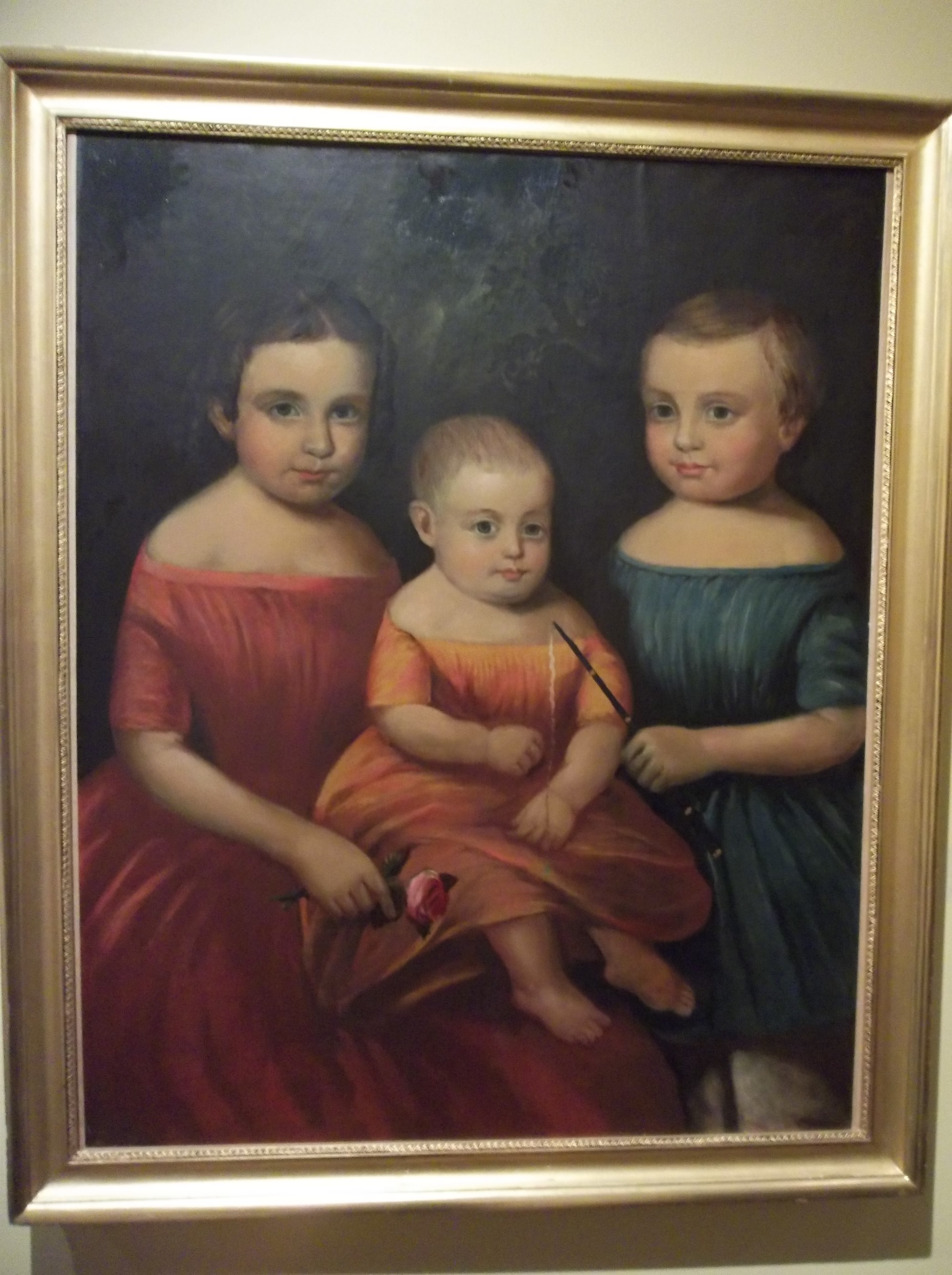
The portrait gallery houses the second largest portrait collection int the U.S.
Our docent in the portrait gallery explained the symbolism of primitive portraiture. Note the child in the middle is not wearing shoes. If you look very closely over the child’s head you can also see the outline of a dead branch. These two facts were tell-tale signs that the child had passed away and this was a memorial portrait. In the portrait below you can see a small bird sitting just outside the window. This most likely indicated this woman died in childbirth.

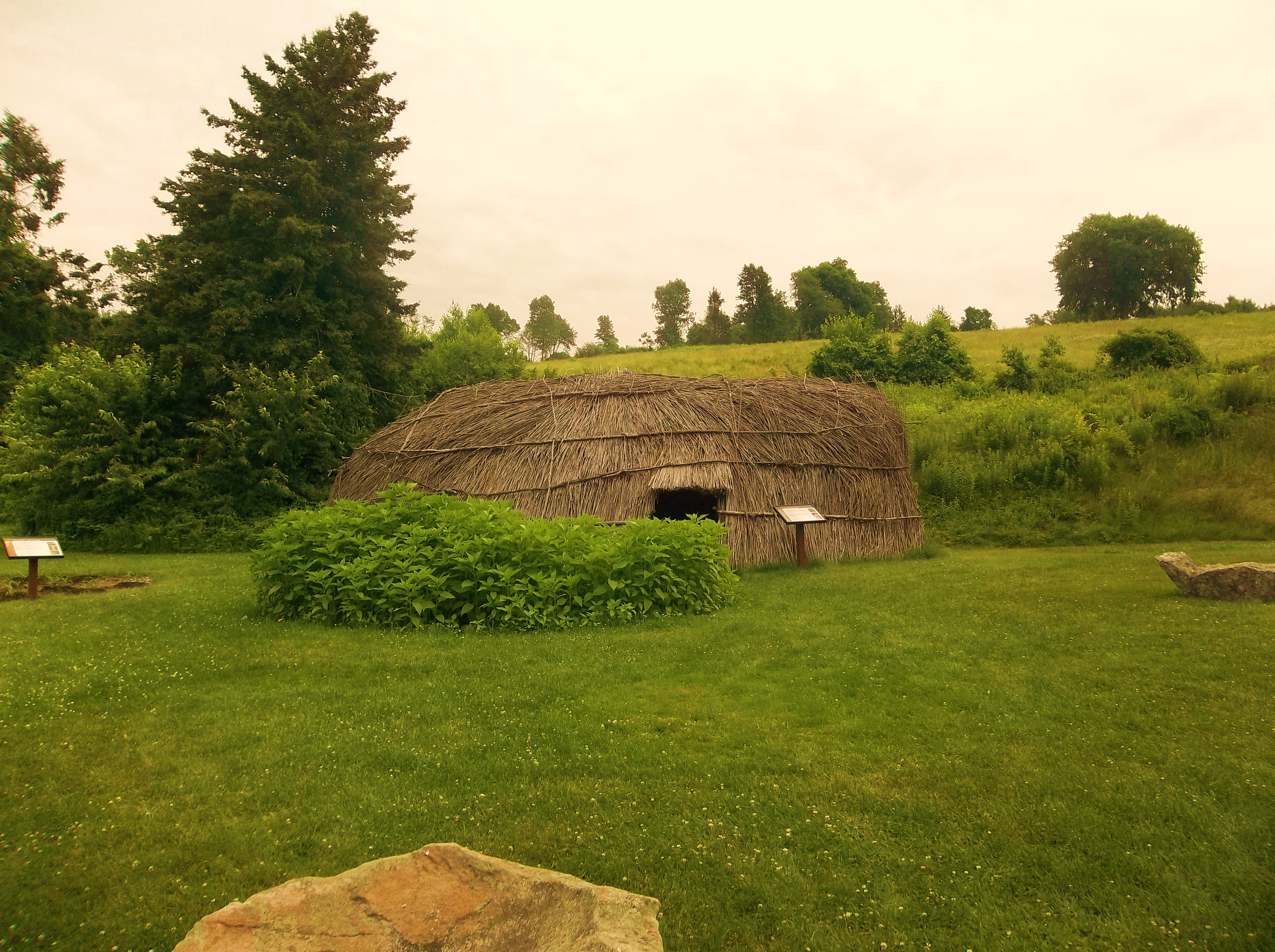
Native American Longhouse

The second gallery is a display of Native American artwork. Our teen-age guide was just learning the ropes but I bet some of the older docents can spin some great yarns from Native American lore.
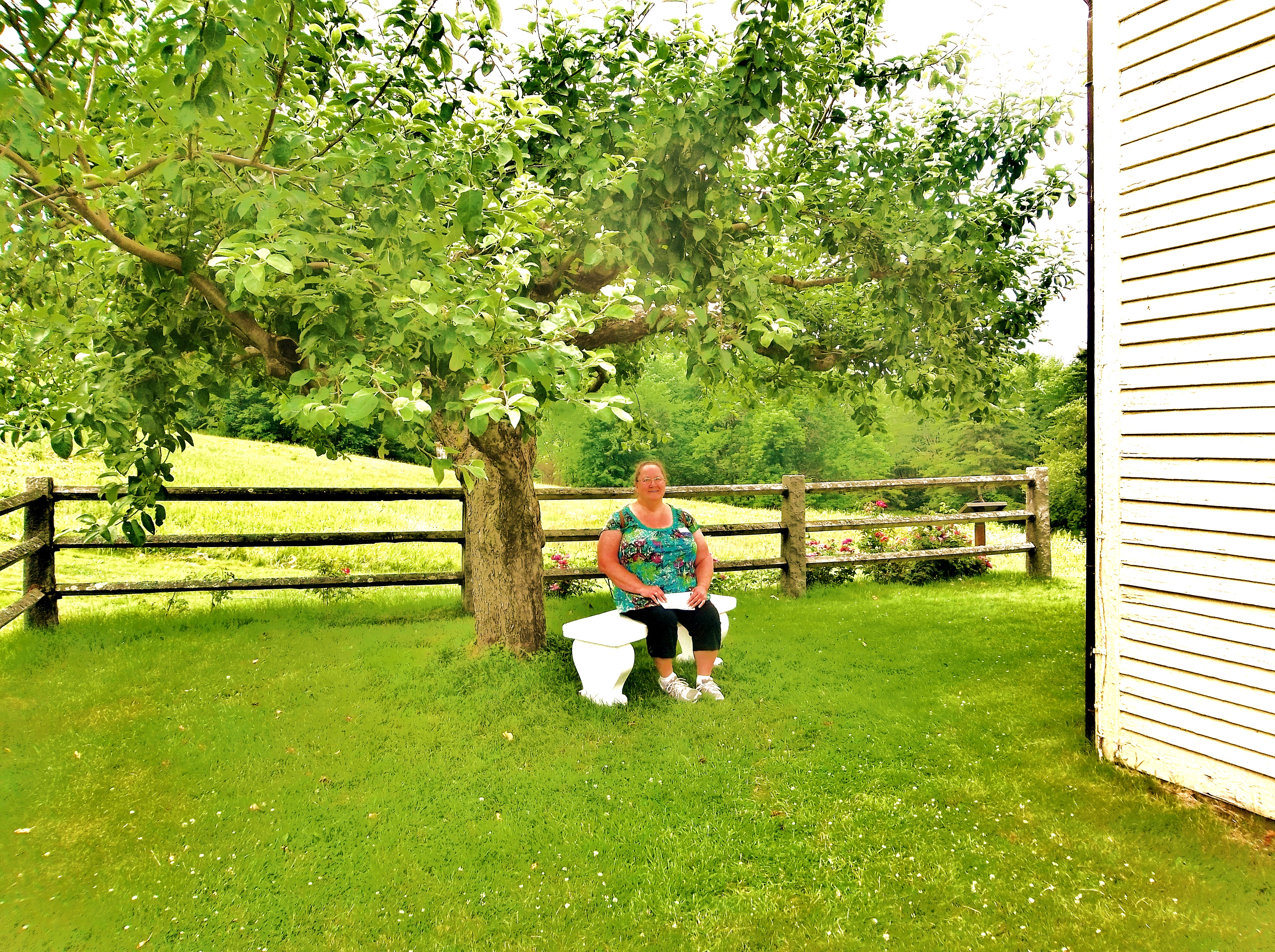
Charlotte at the Shaker house
Mrs. Sears, the benefactor of the museum, had a Shaker home brought in from the Harvard community board by board and reconstructed on the property.

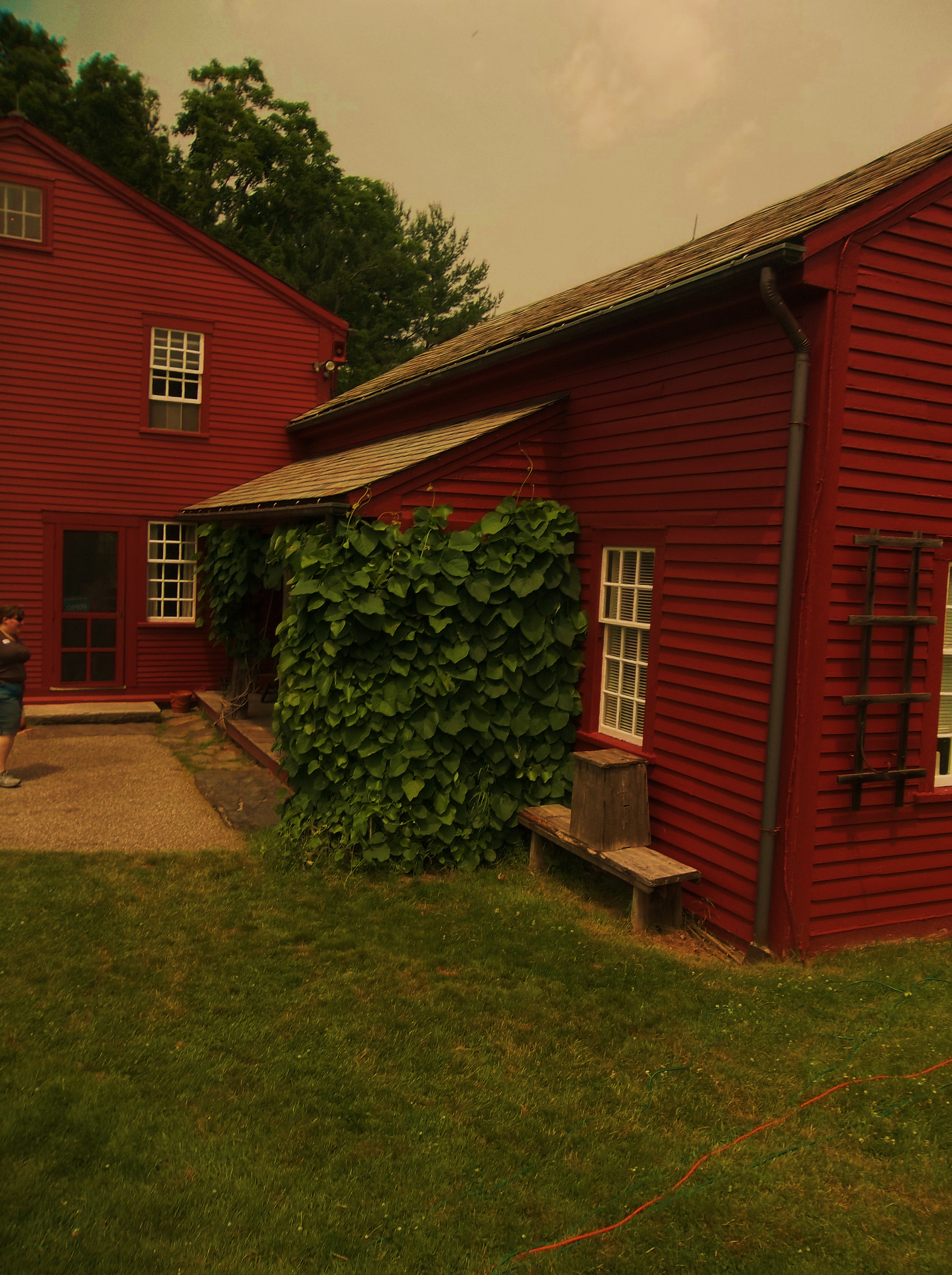
The Alcott House

In the footstep of Louisa May
Fruitlands also boasts miles of walking trails once frequented by Louisa May Alcott and the other children of Fruitlands. This is a day trip worth taking if ever you are heading down Rte 2 in Massachusetts. The views of Wachusett Valley are beautiful the museum buildings have extremely friendly and informative docents and even the coffee in the cafe is delish!


One of the great blessings I experienced during my recent trip to the Netherlands was a visit with my sister’s friends Willem and Mirjam Jackson. The Jackson’s have been good enough to open their home to me on both of my trips to North Holland and to extend the right hand of fellowship.
On this trip we all took a three hour tour of the neighborhood including a walk through the Jagersfeld (hunter’s field).

A view of the neighborhood
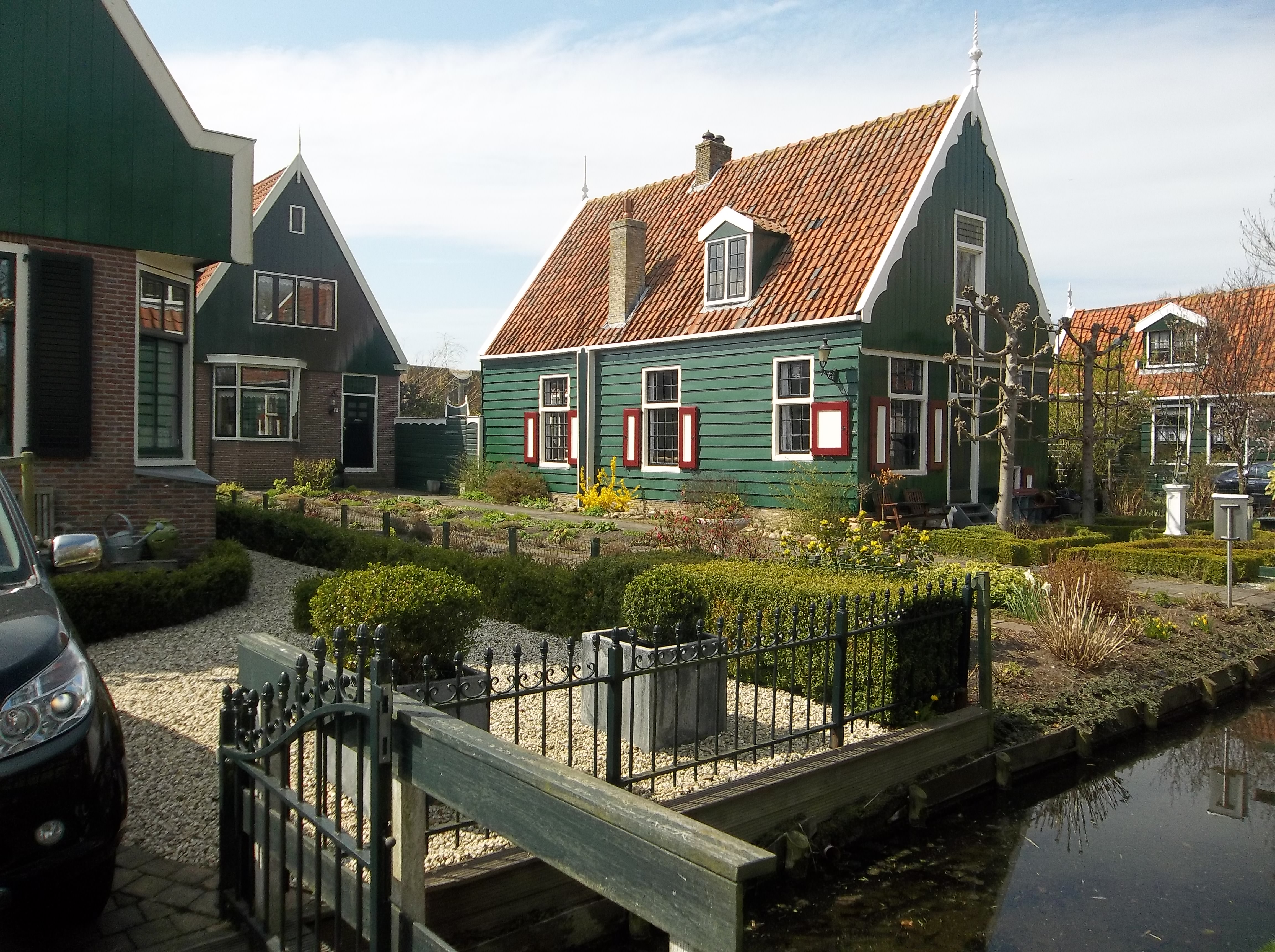
This neighborhood is near Willem and Mirjam’s complex. It is a walk only neighborhood.
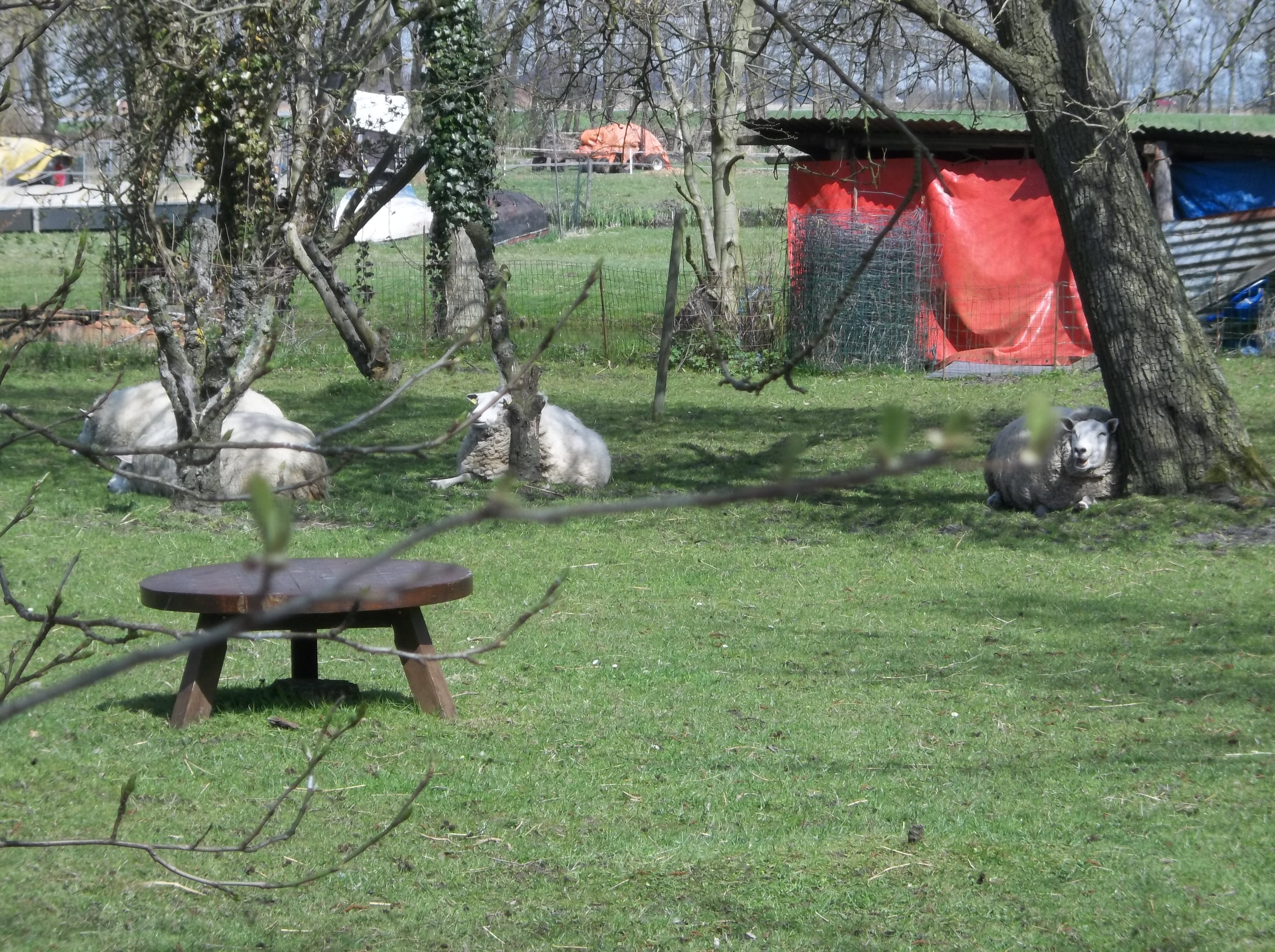
Sheep in the “walk only” neighborhood.
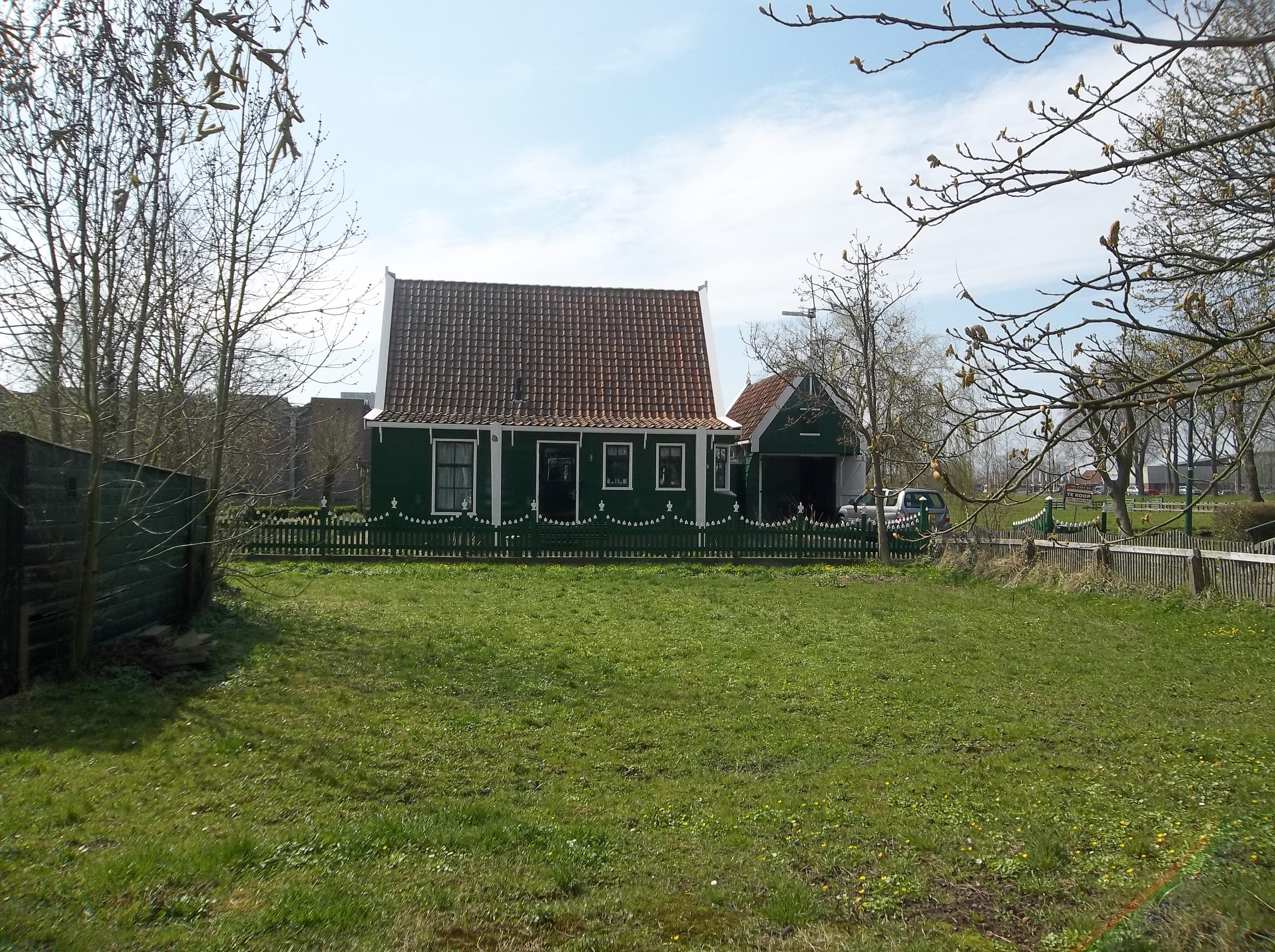
One of my sister’s favorite houses…only 800,000
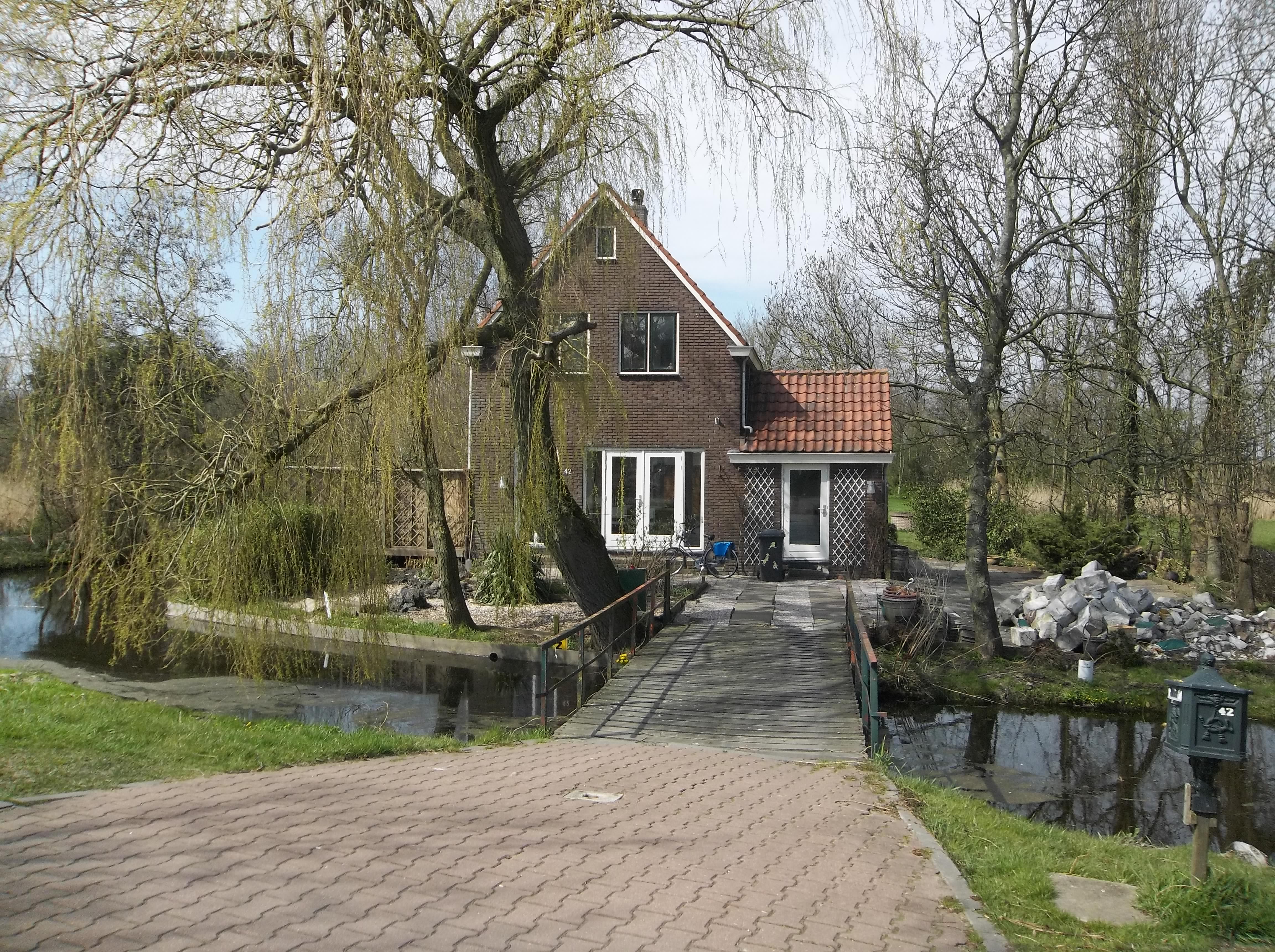
An island home
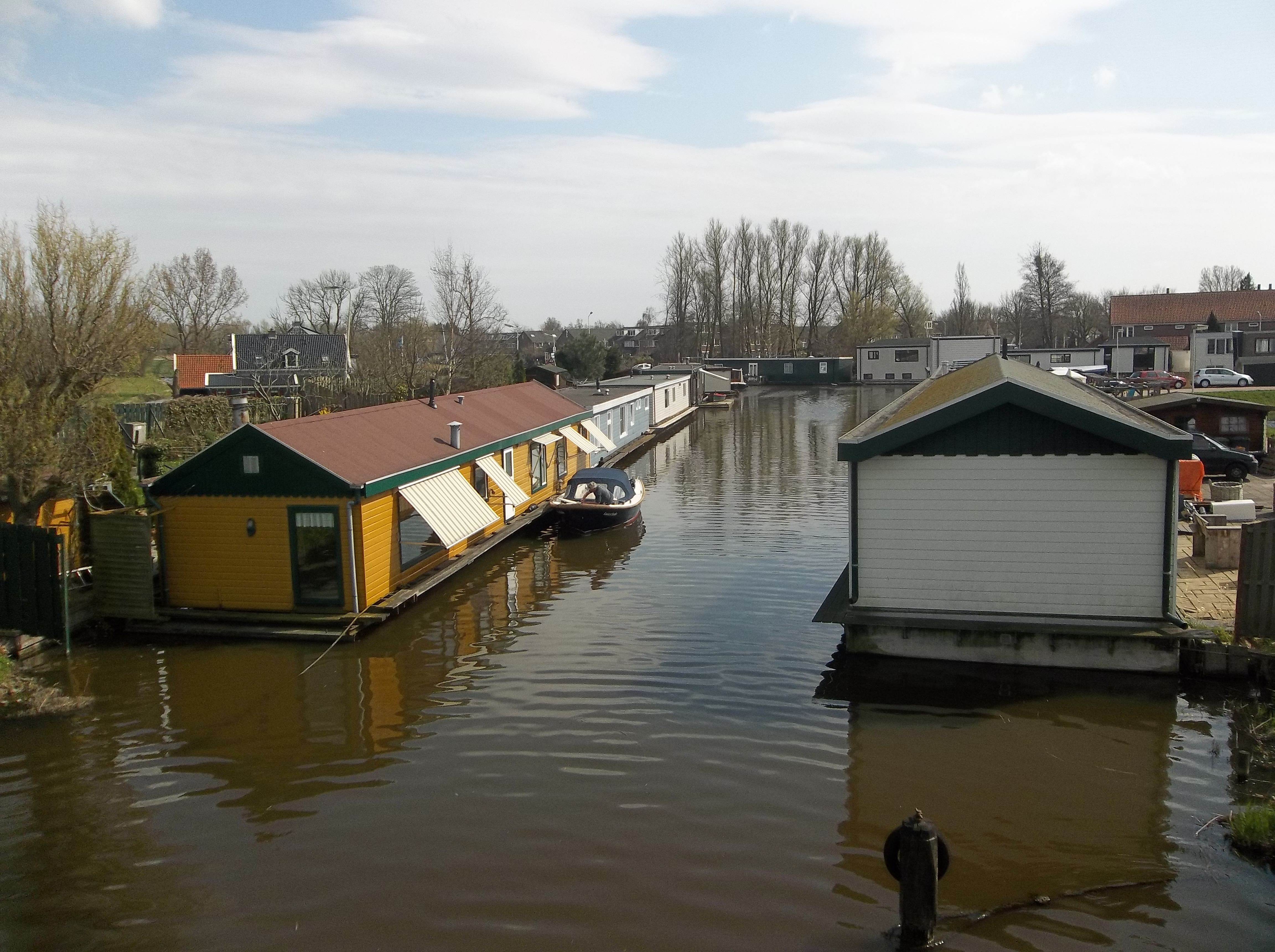
houseboats
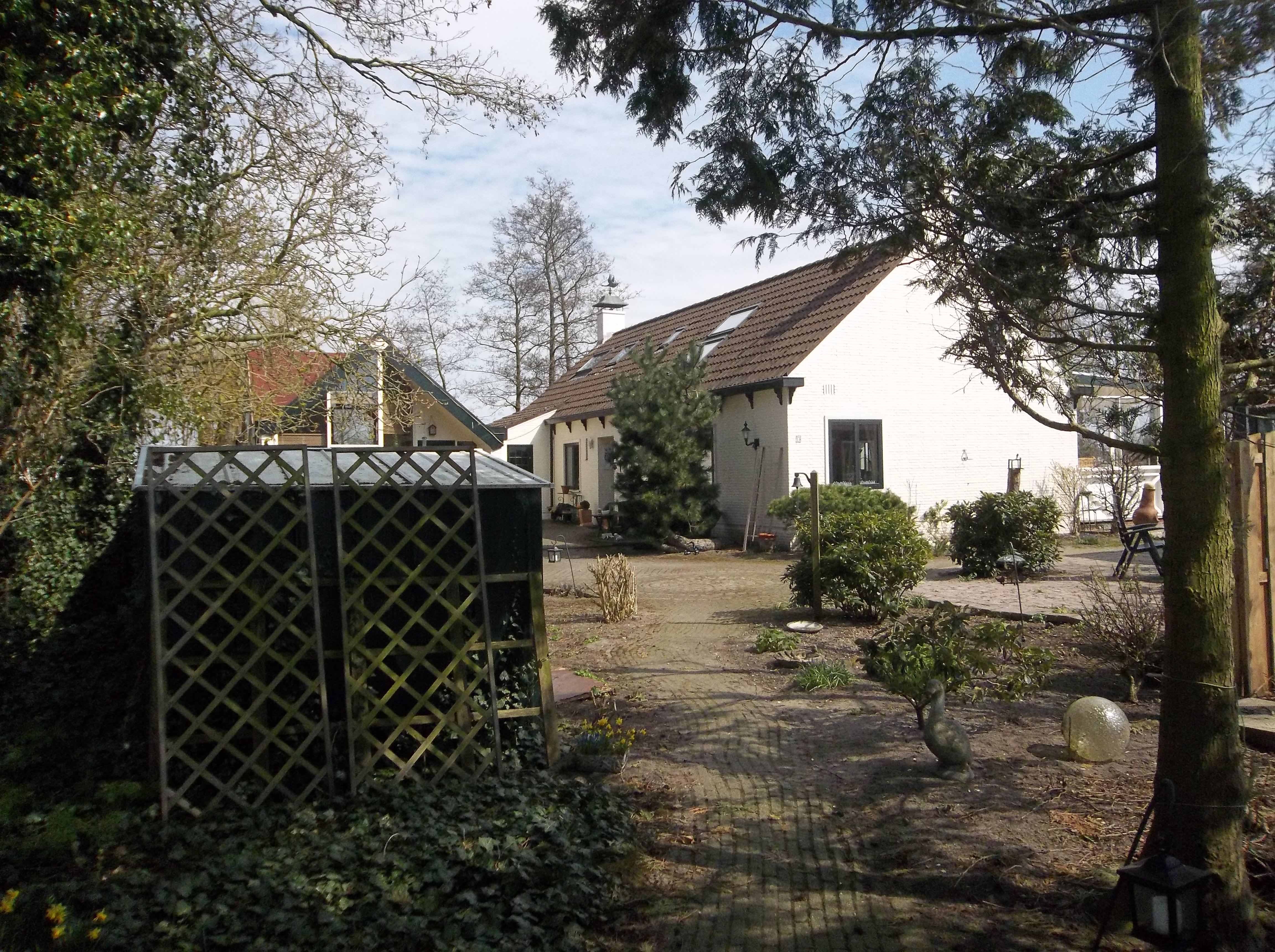
A Dutch farm
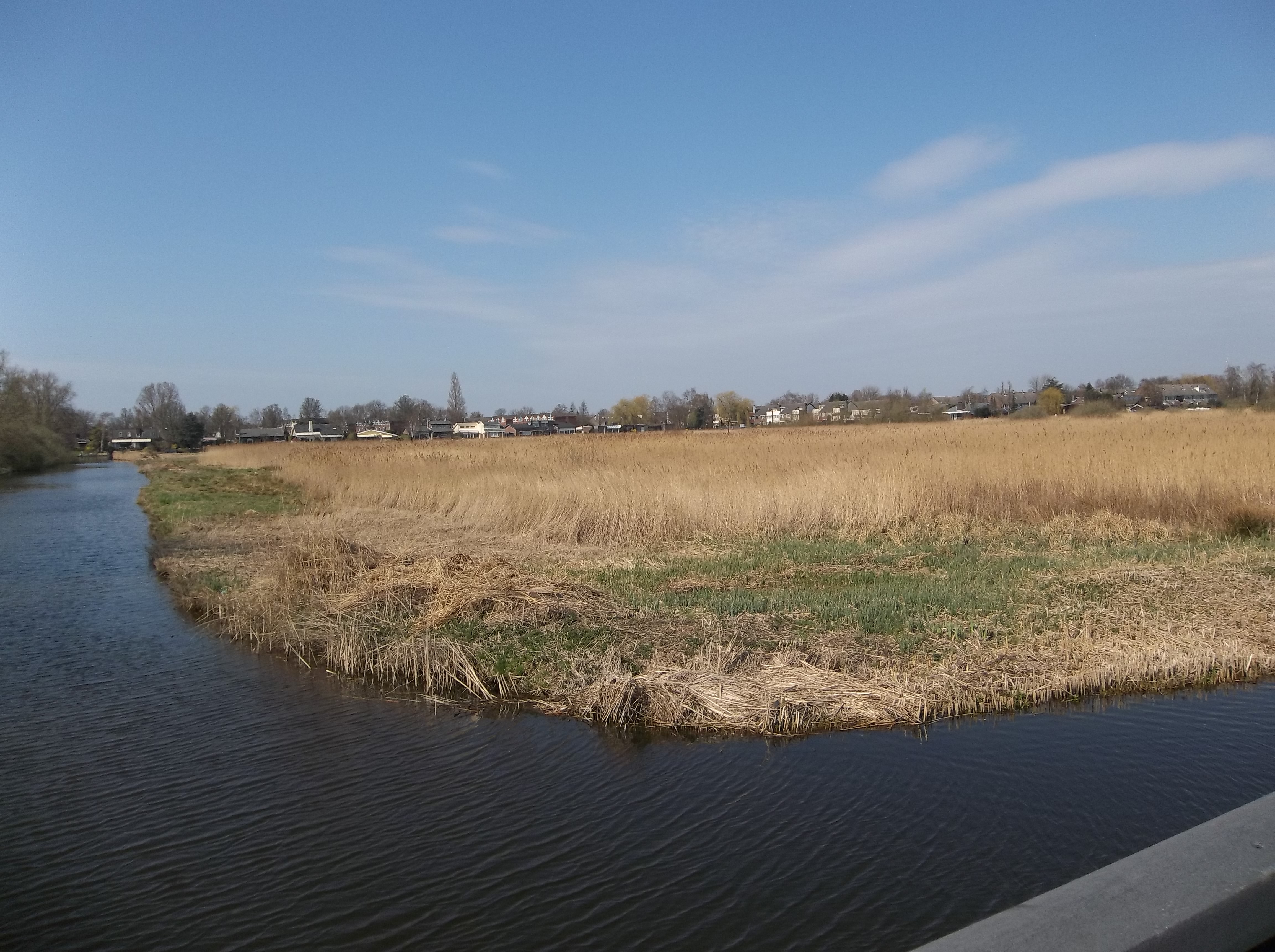
The Jagersfeld

We finished the day with Witloaf

On my recent trip to The Netherlands, I had an opportunity to tour the world-famous Keukenhof Gardens and the surrounding fields of Lisse. Unfortunately like the rest of the world the gardens were about a month behind.
While I did get some beautiful shots indoors and even a few great shots of the outer gardens the tulip beds were nowhere near peak.



Still it is an interesting place and there was plenty to photograph; So I loaded up on photos. When I brought my stuff home I began to play with it a little. Here is what I like to call “Crazy Keukenhof”.





Keukenhof Gardens
For as the soil makes the sprout come up and a garden causes seeds to grow, so the Sovereign LORD will make righteousness and praise spring up before all nations. ISa. 61: 11

Keukenhof Gardens
Do not be afraid, land of Judah;
be glad and rejoice.
Surely the Lord has done great things!
22 Do not be afraid, you wild animals,
for the pastures in the wilderness are becoming green.
The trees are bearing their fruit;
the fig tree and the vine yield their riches.
23 Be glad, people of Zion,
rejoice in the Lord your God,
for he has given you the autumn rains
because he is faithful.
He sends you abundant showers,
both autumn and spring rains, as before.
24 The threshing floors will be filled with grain;
the vats will overflow with new wine and oil.
25 “I will repay you for the years the locusts have eaten—Joel 2: 21-25

Keukenhof Gardens
26 He also said, “This is what the kingdom of God is like. A man scatters seed on the ground. 27 Night and day, whether he sleeps or gets up, the seed sprouts and grows, though he does not know how. 28 All by itself the soil produces grain—first the stalk, then the head, then the full kernel in the head. 29 As soon as the grain is ripe, he puts the sickle to it, because the harvest has come.” Mark 4:26,27
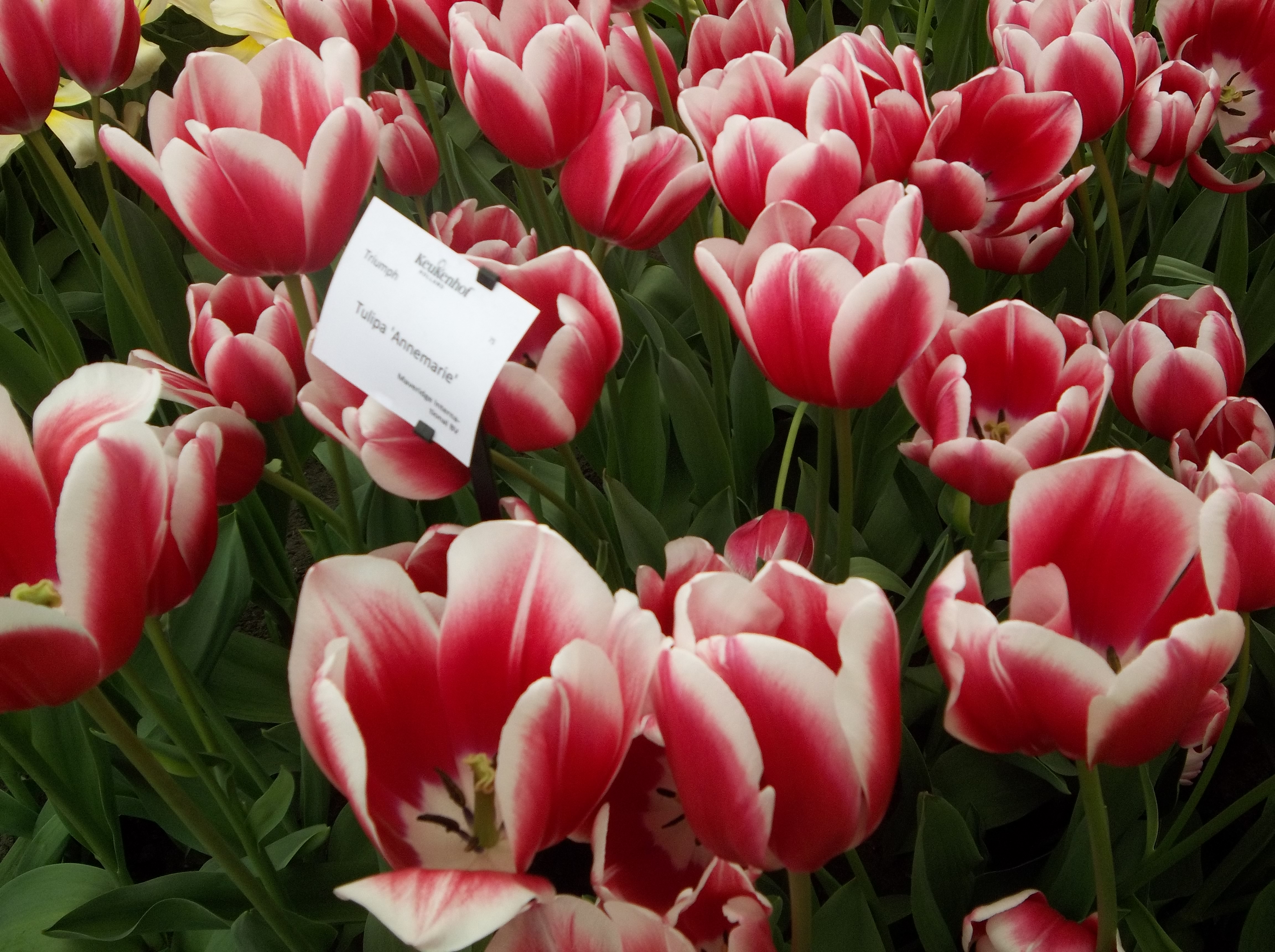
Keukenhof Gardens
I hope you enjoyed these photos and Scriptures inspired by Keukenhof Gardens!

As promised here are more pictures from Delft the city of the Royals.

A flower shop behind the Oude Kerk. Delft
One of the most exciting things I did in Delft was to climb the tower of the Nieuwe Kerk. The church is the burial-place of the Family Orange. While the sanctuary and royal crypt are amazing the climb up the tower is absolutely breathtaking. From the steeple you can see all the way to Rotterdam and Den Hague. Warning: this is definitely not an activity for those with a fear of heights!


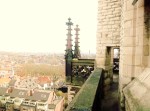

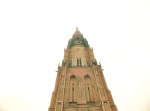
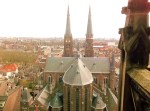
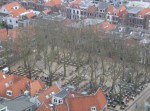

When in Delft remember it’s only 278 steps to the top!

Lightning Rod Cross

Brenda and I left Amsterdam and trained to Delft. By the time the train stopped at Delft station and we made it to the town square it was well past lunchtime. So we stopped at a little cafe called Rossio’s
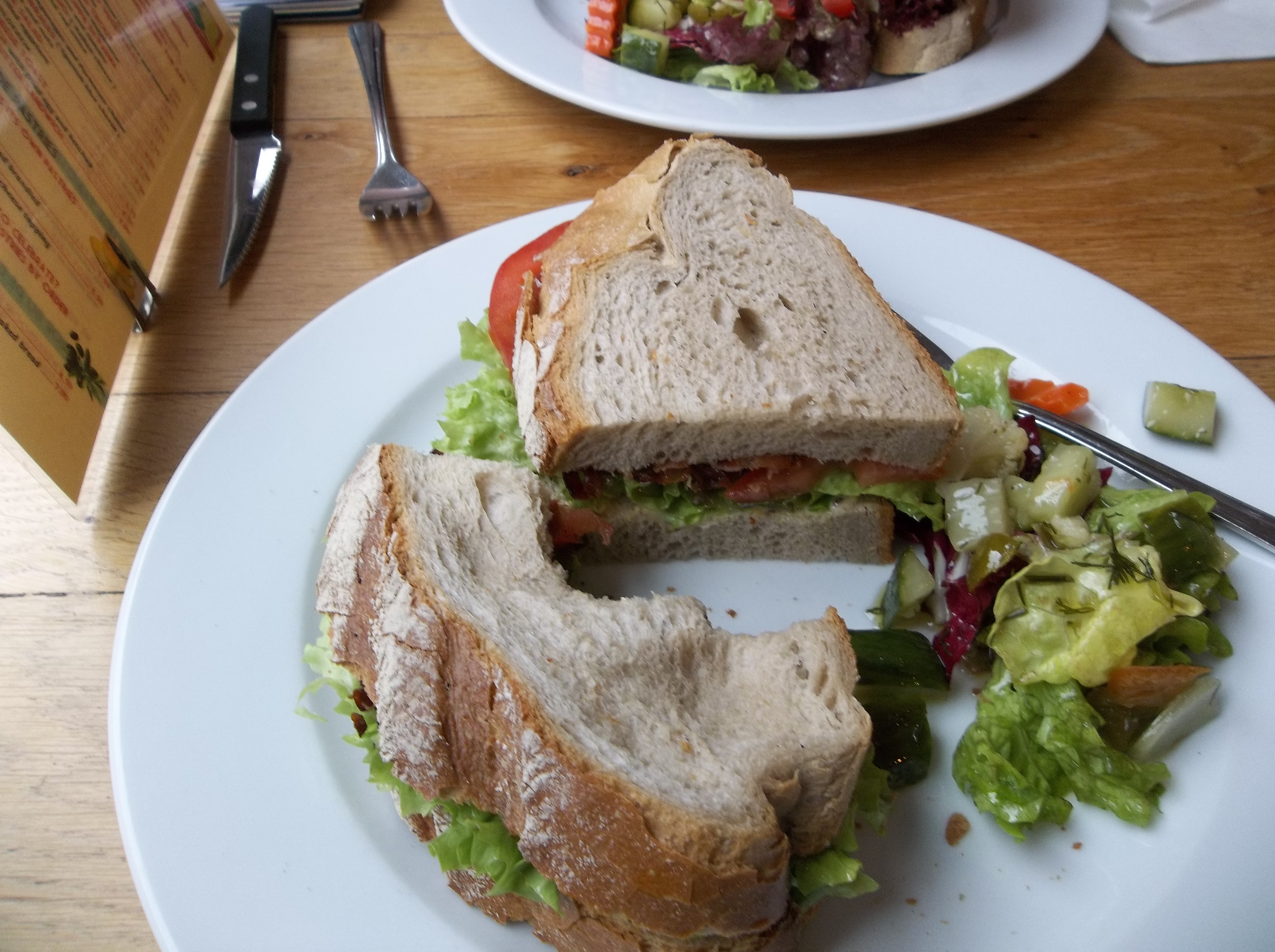
Yummy fresh Dutch bread!
After our lunch the waitress was kind enough to hail us a cab and we taxied to our hotel, a place on the outskirts of town called the Shanghai. We were surprised (though I suppose we shouldn’t have been) when all the channels on the tele were in Chinese.

But I don’t speak Chinese!
Fortunately we were given free tokens to the bar downstairs. When Brenda and I went to get our free coffee we noticed Ice Road Truckers was playing on the public set. So back in our room we fiddled a bit with our TV and lo and behold English started coming out! Huzzah!
Not that we watched a whole lot because we were there to tour!
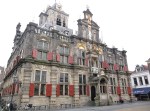
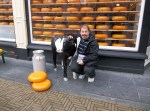
Here are some shots of Delft:

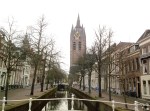


After visiting the Oude Kerk we visited the Nieuwe Kerk which is the burial-place for The Dutch Royal Family.

Hey! Come back tomorrow for more of Delft!

 Lillie-Put